What a Year-Round Metal Building Maintenance Program Actually Covers
A year-round maintenance program isn't one visit, it's a sequence, and each pass covers something different.
September 17, 2026 · 4 min read
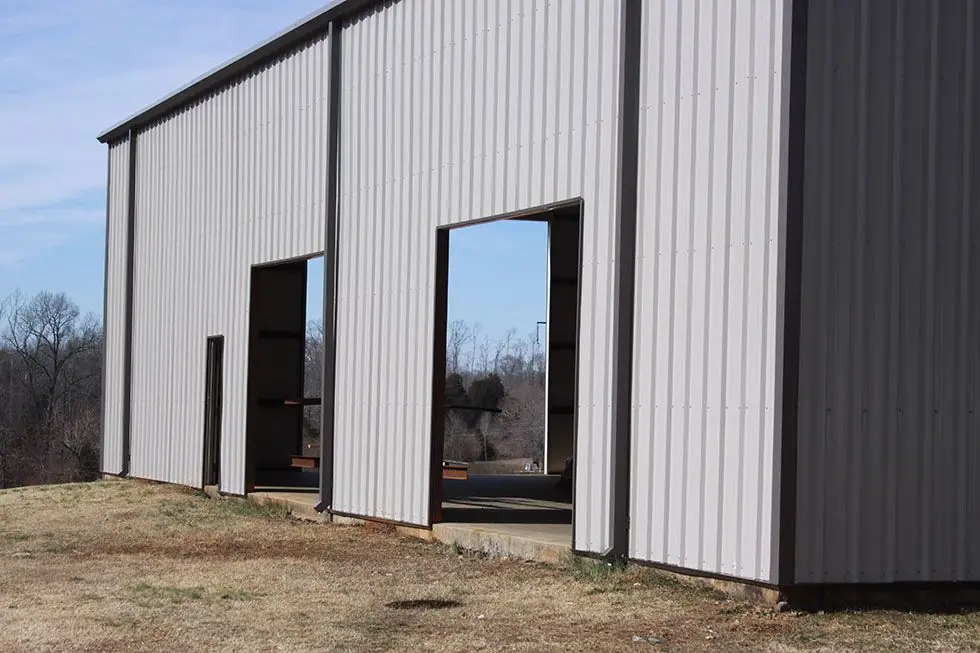
A metal building that gets looked at once and left alone for years tends to develop the same handful of problems, a little rust here, a soft trim piece there, a gutter that's been quietly overflowing onto a wall for two seasons. A year-round maintenance program exists to catch those things while they're still small and cheap to fix, rather than waiting for one of them to become a leak or a repair bill.
The building envelope gets checked first
The envelope is everything standing between the weather and the inside of the building, wall panels, roof panels, trim, and every seam between them. A maintenance visit walks that envelope looking for the early signs, a fastener starting to back out, a trim piece that's come loose at a corner, a seam that's opened up slightly from years of expansion and contraction. None of those are emergencies on their own, but left alone through another summer of heat and another spring of storms, any one of them can turn into an active leak.
Insulation, venting, and trim get a real look, not a glance
Insulation that's shifted, sagged, or gotten wet stops doing its job even if nothing looks obviously wrong from the floor. Venting systems that move air out of a building need to actually be clear and working, not just present. Trim, especially at corners, ridges, and door openings, takes more abuse than the flat panel next to it because it's where water wants to collect and where wind gets the most leverage. A maintenance pass checks all three specifically, rather than treating the roof as one uniform surface.
Gutters, downspouts, and drainage around the building
Water that's shed correctly off a metal roof still has to go somewhere once it hits the ground. Gutters that are sagging, pulling away from the fascia, or clogged with debris send water down the wall instead of away from the building, and that's a slow way to damage trim and foundation over a few seasons. Downspouts that dump water right against a foundation wall cause their own separate problem. Checking gutters and downspouts is a small part of a visit that prevents a much bigger one later.
Doors, skylights, and exhaust fans work harder than people think
Overhead doors, personnel doors, skylights, and exhaust fans are the moving parts on an otherwise static building, and moving parts are what wear out first. A skylight seal that's degraded lets water in around a bright spot nobody thinks to check because it's not a seam. An exhaust fan that's stopped turning freely stops moving the air it was installed to move. These get checked on a maintenance visit specifically because they're easy to forget between one visit and the next.
Why the sequence stays the same, visit after visit
A one-off inspection can catch whatever happens to be visible that day, but a building doesn't fail on one schedule, a fastener works loose on its own timeline and a gutter clogs on a completely different one tied to whatever's dropping leaves or debris nearby that season. Running the same sequence, envelope, insulation and venting, gutters and drainage, doors and moving parts, on a regular cadence means each of those things gets caught close to when it starts, rather than whenever it finally becomes visible from the parking lot. That's the real value of a program over a single visit, the same checklist run consistently rather than a single snapshot in time.
Oxidation and the case for power washing
North Alabama summers put a lot of heat and humidity on a painted metal panel, and that combination is what drives oxidation, the chalky, dulled look a painted panel gets as its finish breaks down over the years. Power washing at the right pressure clears surface dirt and the loose chalking residue off a panel and can make a tired-looking building look considerably better, but it doesn't repair a panel whose paint system has genuinely failed underneath that residue. Part of a maintenance visit is telling the difference between the two honestly.
- Envelope walk: fasteners, seams, and trim checked for early movement or wear
- Insulation and venting checked for shifting, moisture, or blockage
- Gutters and downspouts cleared and checked for proper pitch and attachment
- Doors, skylights, and exhaust fans checked for seal condition and free movement
- Power washing where oxidation or surface buildup calls for it
Hall Construction runs full commercial repairs on metal buildings of any size backed by up to a thirty-year warranty, plus the free on-site leak assessment any time something looks off between scheduled visits. Out-of-state owners who need a local team keeping an eye on a building get the same walk-through and the same reporting back, without having to drive in themselves.
Hall Construction, (256) 566-6716
Call (256) 566-6716More articles
Metal Roof Leak: Is It the Panel, the Fastener, or the Flashing?
Most metal roof leaks trace back to a fastener or a flashing detail, not the panel steel. Here's how to read the signs.
Sizing a Metal Building Around What's Actually Going Inside It
The right metal building starts with what you're putting inside it, not a footprint picked off a floor plan.