Oxidation on a Metal Panel: What Power Washing Does and Doesn't Fix
A painted metal panel doesn't rust the way people expect, it chalks. Here's what that means and when a wash isn't enough anymore.
September 17, 2026 · 4 min read
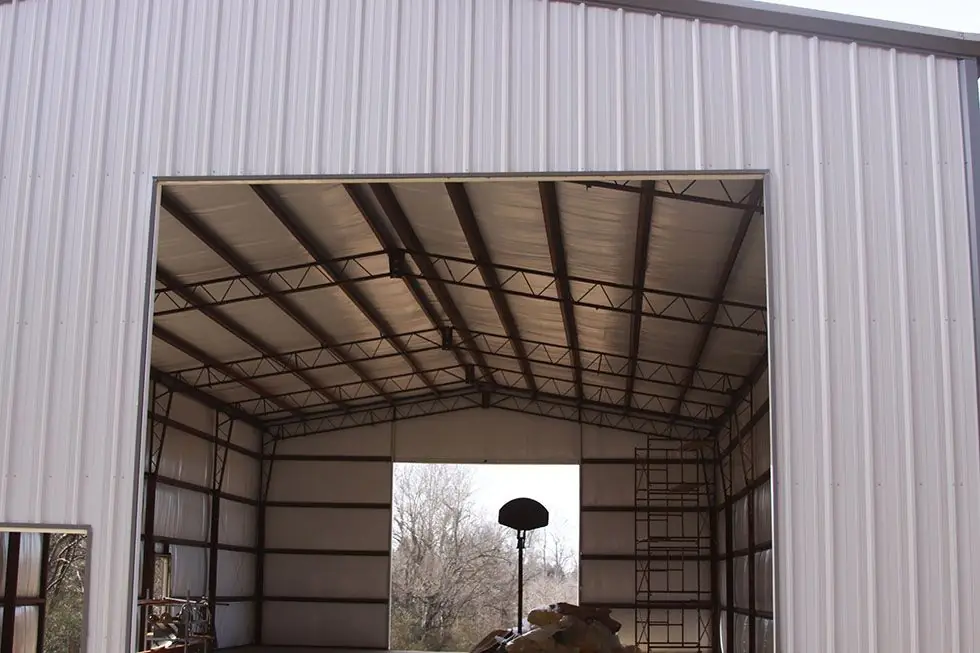
Walk up to an older metal building and run a finger across the wall panel, and on a lot of them you'll come away with a light chalky residue on your fingertip. That's oxidation, and it's one of the most common things owners ask about because it changes how a building looks well before it changes how the building actually performs.
What's actually happening to the paint
A metal panel isn't bare steel sitting in the weather, it's steel with a factory-applied paint system on top of it. Years of UV exposure, especially the long, intense summer sun north Alabama gets, slowly break down the resin binding that paint together at the surface. As the binder degrades, pigment particles that used to be locked in start to sit loose on top, and that loose pigment is the chalky film you feel and see. The color looks faded and dull for the same reason, light is scattering off that loose surface layer instead of reflecting cleanly off an intact paint film.
What power washing genuinely fixes
Power washing, done at the right pressure for painted metal rather than a pressure meant for concrete or brick, clears that loose chalking residue along with ordinary dirt, pollen, and grime off the surface. On a building where the paint film underneath is still sound, that alone can make a real, visible difference, the color comes back closer to its original depth because the light is reflecting off intact paint again rather than a dulling layer sitting on top of it. It's a genuinely useful, low-cost step, and it's part of the exterior work Hall Construction offers specifically because it earns its keep on a building where the underlying finish is still doing its job.
What it doesn't fix
Washing clears what's sitting on the surface. It doesn't restore a paint film that's broken down past the chalking stage into actual cracking, peeling, or bare spots showing metal underneath. It doesn't fix a seam or a fastener that's failed and started letting water in behind the panel, even though water damage and oxidation can show up on the same wall at the same time and get confused for each other. And it doesn't change the fact that a panel's paint system has a real service life, washing keeps a sound finish looking its best for longer, it doesn't reset that clock.
Why timing the wash itself matters
Washing a panel right before a stretch of hot, direct sun can leave mineral spotting behind as the water dries fast and unevenly, so an overcast day or a cooler part of the season tends to give a cleaner result than washing in the middle of a July afternoon. It's also worth washing before oxidation gets too far along rather than waiting until a wall looks obviously dull, a light chalky film comes off easily, while years of buildup that's worked its way deeper into a weathered finish takes more effort and more pressure to shift, and more pressure is exactly what a tired paint film can't take without additional damage.
Telling the difference, and when it's time to act
The honest way to tell where a panel stands is to look past the chalk. Run a hand across the surface after a wash, if the finish underneath still looks even and intact with no cracking or flaking when you look closely, chalking was most of the problem and the wash did its job. If bare metal is visible in spots, if paint is lifting or peeling at an edge, or if rust streaks are showing up along a seam or a fastener line rather than as a general dulled color, that's past what a wash addresses and it's worth having someone look at the panel itself.
- General dulled, chalky color across a whole wall or roof slope, with no cracking underneath: washing is likely the right move
- Bare metal, peeling paint, or flaking visible up close: past washing, worth a repair assessment
- Rust streaks running from a specific fastener or seam rather than spread evenly: likely a separate leak or fastener issue, not oxidation
- A building that's gone many years without any exterior attention: a maintenance visit can sort out which category each wall or slope actually falls into
This is exactly the kind of call a year-round maintenance program is built to make honestly, wash what benefits from washing, flag what's actually failed underneath, and skip the guesswork either way. Hall Construction's maintenance work runs across Morgan, Limestone, Madison, and Lauderdale counties and into southern Tennessee, and the free on-site leak assessment applies just as well to a panel that looks tired as it does to an active drip.
Hall Construction, (256) 566-6716
Call (256) 566-6716More articles
Metal Roof Leak: Is It the Panel, the Fastener, or the Flashing?
Most metal roof leaks trace back to a fastener or a flashing detail, not the panel steel. Here's how to read the signs.
Sizing a Metal Building Around What's Actually Going Inside It
The right metal building starts with what you're putting inside it, not a footprint picked off a floor plan.